

Written by: Dan Shibilia InsideMethuen@gmail.com
Every January, the City Council uses its first meeting to reorganize and must vote on two key leadership positions: Chair and Vice Chair. These roles are often mentioned in meetings, ordinances, and debates, but many residents aren’t quite sure what they actually do, why they matter, or what makes them so coveted.
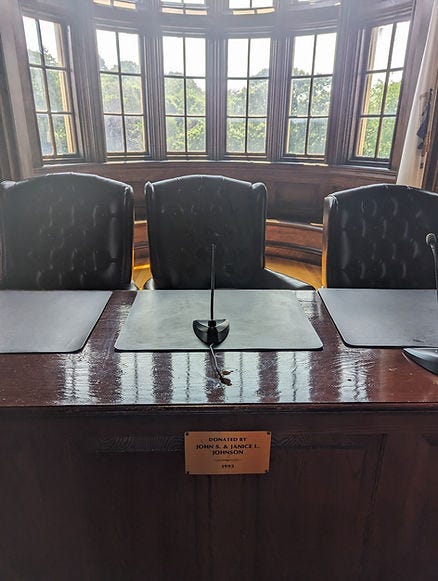
The wheeling and dealing begins the night of the election in election years. In off years, the energy of those seeking the appointments can always be felt.
But why?
The answer is simple… power.
The City Council Chair holds significant power. The Chair not only runs the meeting but also gatekeeps the agenda. They oversee the assignment and creation of subcommittees, enforce (or choose not to enforce) the rules, and act as the official head of the Council for City business.
Here’s a clear breakdown of these positions based on the Methuen City Charter and the City Council’s Rules
1. The Chair Runs the Meetings
Under Methuen City Charter § 2-2, the Council must annually elect a Chair from among its members. The Chair’s primary responsibility is to preside over City Council meetings.
According to the Council Rules, the Chair:
Calls the meeting to order
Recognizes speakers
Maintains order and decorum
Ensures debate follows the rules
Determines when motions are in order
Moves the meeting through the agenda
This authority is not ceremonial... it’s essential. A strong, well-prepared Chair can make the difference between a meeting that runs efficiently and one that goes off the rails.
2. Sets the Agenda (with Clerk Collaboration)
Most local legislative bodies share similar structure: the Chair exercises substantial influence over what the bodies actually discusses.
Council Rules give the Chair the responsibility to:
Approve agenda items
Decide which communications, ordinances, and appointments appear on the calendar
Refer matters to committees
While the City Clerk manages the clerical function of assembling the agenda, the Chair decides what takes priority.
This is where the real power of the role lies and why, if the Council Chair and Mayor do not maintain a positive working relationship, the Mayor’s agenda can suffer. Because the Mayor has no direct control over the agenda, without the Chair’s approval the Mayor may be unable to bring items before the Council for a vote. This can delay appointments, funding, contracts, and many other matters.
3. Assigns (or Oversees Assignment of) Committees
Depending on the year’s adopted rules, the Chair may:
Appoint committee members
Assign committee chairs
Refer business to the appropriate committee
This function shapes the policy workflow.
Committee leadership often decides how deeply issues are examined.
4. Ensures the Council Follows Its Rules
The Chair is the interpreter and enforcer of:
The Council’s Rules of Procedure
Parliamentary authority (Methuen uses Robert’s Rules of Order, unless modified)
Meeting conduct requirements
This includes ruling points of order, enforcing time limits, managing public participation, and keeping any debate within charter-established boundaries.
The Vice Chair: Second in Command With a Simple but Important Role
The Vice Chair is elected under Charter § 2-2 in the same organizational meeting as the Chair.
1. Acts When the Chair Is Absent
The Vice Chair’s most straightforward role is substituting for the Chair when needed.
Per the Council Rules, the Vice Chair:
Presides over meetings in the Chair’s absence
Assumes ceremonial or administrative duties temporarily
Ensures continuity of operations
This ensures the Council never loses procedural leadership.
2. Supports the Chair in Managing Council Operations
The Vice Chair often works with the Chair to:
Coordinate agenda planning
Handle committee referrals
Ensure Council priorities remain on track
The Vice Chair does not have independent authority outside what the rules permit, but a proactive Vice Chair can significantly help keep the Council organized.
3. Serves as Successor if the Chair Resigns or Is Removed
If the Chair steps down, the Vice Chair typically becomes Acting Chair until the Council elects a new one, following the Rules of Procedure.
What the Chair and Vice Chair Do Not Do
To avoid confusion, it’s just as important to understand what these roles aren’t:
They do not have veto power (that power belongs to the Mayor).
They, by law, do not control councilors’ votes as each councilor is independently elected.
They cannot make policy unilaterally.
They do not supervise city employees (the Mayor is the Chief Executive under Charter § 3-1 & 3-2 for duties).*
*The caveat to this is the two employees the council manages: the city solicitor and the council clerk.
Their authority is procedural and organizational, not legislative or administrative.
Why These Roles Matter
Methuen’s form of government with a Mayor-Council requires productive collaboration between the legislative and executive branches.
The Chair and Vice Chair:
Keep meetings orderly
Keep the legislative workflow moving
Ensure transparency and public participation
Provide structure during disagreements
Maintain institutional memory
Good leadership in these roles often means a more efficient, more accountable city government.
What about the School Committee?
By charter, the Mayor serves as Chair of the School Committee. Similar to the City Council Chair, this places the Mayor in charge of running the meeting.
The major difference is agenda control. The School Committee agenda is prepared by the Committee Clerk, who is the Superintendent.
Unlike the City Council, any School Committee member may request that an item be added to the agenda, and those requests are typically approved. However, there have been instances where the Mayor and/or Vice Chair have intervened blocking items from being added to the agenda for various reasons.
As for the Vice Chair, the role is largely ceremonial. During Mayor Perry’s tenure, it became more demanding due to health-related absences. Much like the Council Vice Chair, the School Committee Vice Chair serves as the backup. When the Chair is unable to attend, the Vice Chair is responsible for running the meetings.
My assumptions for the 2026 formation meeting (present as a prediction without added opinions);
Chair: Councilor Soto
Vice Chair: Councilor Marsan or Valley (toss up)
---
Cited Resources:
https://drive.google.com/drive/folders/17-HmhwN7_BMuJpUnyzW4t49lkamoCOBi?usp=sharing